

Direction Plus
DMAX, MUX, BT50 4JJ3 Pre-Filter – 2020 On – Fuel Manager FM645DPK
DMAX, MUX, BT50 4JJ3 Pre-Filter – 2020 On – Fuel Manager FM645DPK
Taxes included. Shipping calculated at checkout.
Couldn't load pickup availability
D-MAX / MU-X / BT-50 4JJ3 Fuel Manager Pre-Filter Kit
Two-Stage Filtration Protection • 2020+ 4JJ3TCX 3.0L • FM645DPK
🛡️ Stops Water. Blocks Contaminants. Saves Injectors. 🛡️
Installed ahead of the OEM filter, removes the bulk of water and particulates—the leading cause of injector and pump failures.
Vehicle Compatibility — Isuzu Platform Vehicles
FM645DPK suits:
- Isuzu D-MAX – 4JJ3TCX 3.0L 4-Cylinder Turbo Diesel | 2020–Onwards
- Isuzu MU-X – 4JJ3TCX 3.0L 4-Cylinder Turbo Diesel | 2021–Onwards
- Mazda BT-50 – 4JJ3TCX 3.0L 4-Cylinder Turbo Diesel | 2021–Onwards
ℹ️ Platform Note: From 2020/2021, the BT-50 switched from the Ford Ranger platform to the Isuzu D-MAX platform, sharing the same Isuzu 4JJ3 engine. All three vehicles now share the same robust Isuzu platform and fuel system.
✅ One kit covers all three Isuzu-platform vehicles with the 4JJ3 engine
Fuel Manager Pre-Filter Protection
How It Works: The unit mounts between the tank and OEM filter, removing the majority of water and particles. The factory filter then handles final fine filtration—a robust two-stage defence for modern common-rail diesels. The clear drain bowl allows quick visual checks and easy draining, while the no-bypass design ensures contaminated fuel never reaches your injectors.
Key Features:
- ~95% water separation — strips water before it reaches the OEM filter
- Superior protection — reduces wear on injectors, pumps and rails
- Clear drain bowl — quick visual checks and easy draining
- No-bypass design — contaminated fuel never reaches injectors
- Helps avoid $10,000+ injector/fuel system repairs
- Removes ~95% of water & particulates from diesel fuel
- Separates emulsified water in ULSD fuels
- Two-stage filtration system for maximum protection
- Extends factory filter life
- Prevents expensive fuel system damage
- High-flow design maintains optimal fuel pressure
- Replaceable filter elements
- Vehicle-specific mounting bracket
- Complete installation hardware
💡 Why This Matters: The 4JJ3TCX is Isuzu's modern 3.0L common rail turbo diesel—powerful, efficient, and sophisticated. Modern common rail diesels operate at extremely high pressures with ultra-tight tolerances. Water and particulate contamination are the leading causes of injector and pump failures. The Fuel Manager pre-filter provides ultimate protection and peace of mind, keeping your 4JJ3 running clean and strong for the long term. Essential insurance for your D-MAX, MU-X, or BT-50 investment.
Why Choose FM645DPK?
The 4JJ3 platform deserves premium fuel protection. Whether you're driving a D-MAX ute, MU-X wagon, or BT-50 tradesman special, all three vehicles share the same Isuzu 4JJ3TCX 3.0L common rail turbo diesel. It's a capable workhorse when properly maintained, but like all modern diesels, it has zero tolerance for contaminated fuel. Australian diesel fuel quality varies significantly—contamination is a constant risk.
The Problem:
- 💰 Water and particulates are leading causes of injector and pump failures
- 💧 Water contamination causes corrosion and poor combustion
- 🔩 Particulates score injector tips and damage fuel pump
- 🦠 Algae and biological growth clog filters and damage components
- 💸 Helps avoid $10,000+ injector/fuel system repairs
- ⚠️ Modern common rail = zero tolerance for contamination
Benefits:
- 🛡️ ~95% water separation — strips water before it reaches the OEM filter
- 💨 Superior protection — reduces wear on injectors, pumps and rails
- 🔥 Clear drain bowl — quick visual checks and easy draining
- ⚙️ No-bypass design — contaminated fuel never reaches injectors
- 💰 Helps avoid $10,000+ injector/fuel system repairs
- 🚀 Removes ~95% of water & particulates from diesel fuel
- 📉 Separates emulsified water in ULSD fuels
- 🛡️ Robust two-stage defence for modern common-rail diesels
💡 4JJ3 Platform Protection: The 4JJ3TCX 3.0L is Isuzu's proven common rail turbo diesel. Whether badged Isuzu D-MAX, Isuzu MU-X, or Mazda BT-50, it's the same reliable engine. The BT-50 switched from Ford Ranger platform to Isuzu D-MAX platform in 2020/2021, gaining the superior Isuzu drivetrain and fuel system. All three vehicles benefit from the same pre-filter protection. These vehicles are often used for serious work—towing, trades, farming, touring. A pre-filter is essential insurance for maintaining reliability across the entire Isuzu platform family.
Technical Specifications
Fuel Manager Pre-Filter:
- Water Separation: ~95% efficiency
- Separates emulsified water in ULSD fuels
- Clear drainage bowl for visual inspection
- No bypass design (all fuel passes through filter)
- High-flow design maintains optimal fuel pressure
- Replaceable filter elements (readily available)
- Engineered specifically for 4JJ3TCX fuel system
- Built for Australian conditions
Performance:
- Removes bulk water and particulate contamination
- Protects common rail injectors and high-pressure pump
- Extends factory filter service life
- Maintains optimal fuel pressure and flow
- Prevents catastrophic fuel system damage
- Provides continuous protection against variable fuel quality
System Design:
- Stage 1: Fuel Manager pre-filter (bulk contamination removal, ~95% water separation)
- Stage 2: Factory filter (fine filtration)
- True two-stage filtration for maximum protection
Compatibility:
- D-MAX 4JJ3TCX 3.0L (2020+)
- MU-X 4JJ3TCX 3.0L (2021+)
- BT-50 4JJ3TCX 3.0L (2021+) - Isuzu platform
- One kit fits all three Isuzu-platform vehicles
Kit Includes
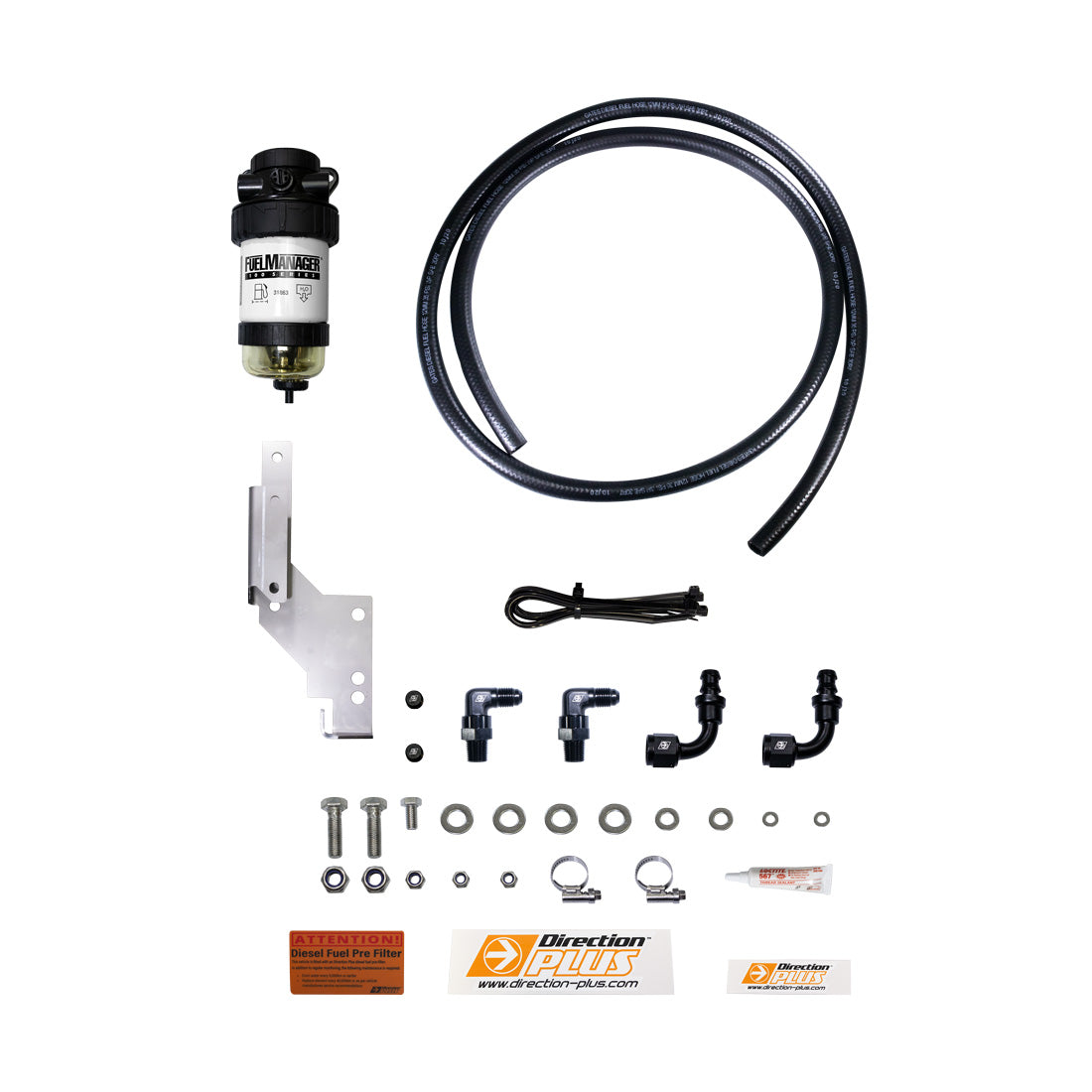
- Fuel Manager pre-filter assembly with clear drainage bowl
- Vehicle-specific mounting bracket
- Complete fuel line kit (hoses and fittings)
- Water drain assembly
- Mounting hardware (bolts, washers, nuts)
- Installation guide
✅ Complete kit with components for D-MAX, MU-X, and BT-50 Isuzu-platform vehicles
Installation Overview
Recommended: Competent qualified mechanic or experienced DIYer
DIY Time: 2–3 hours
Installation Notes:
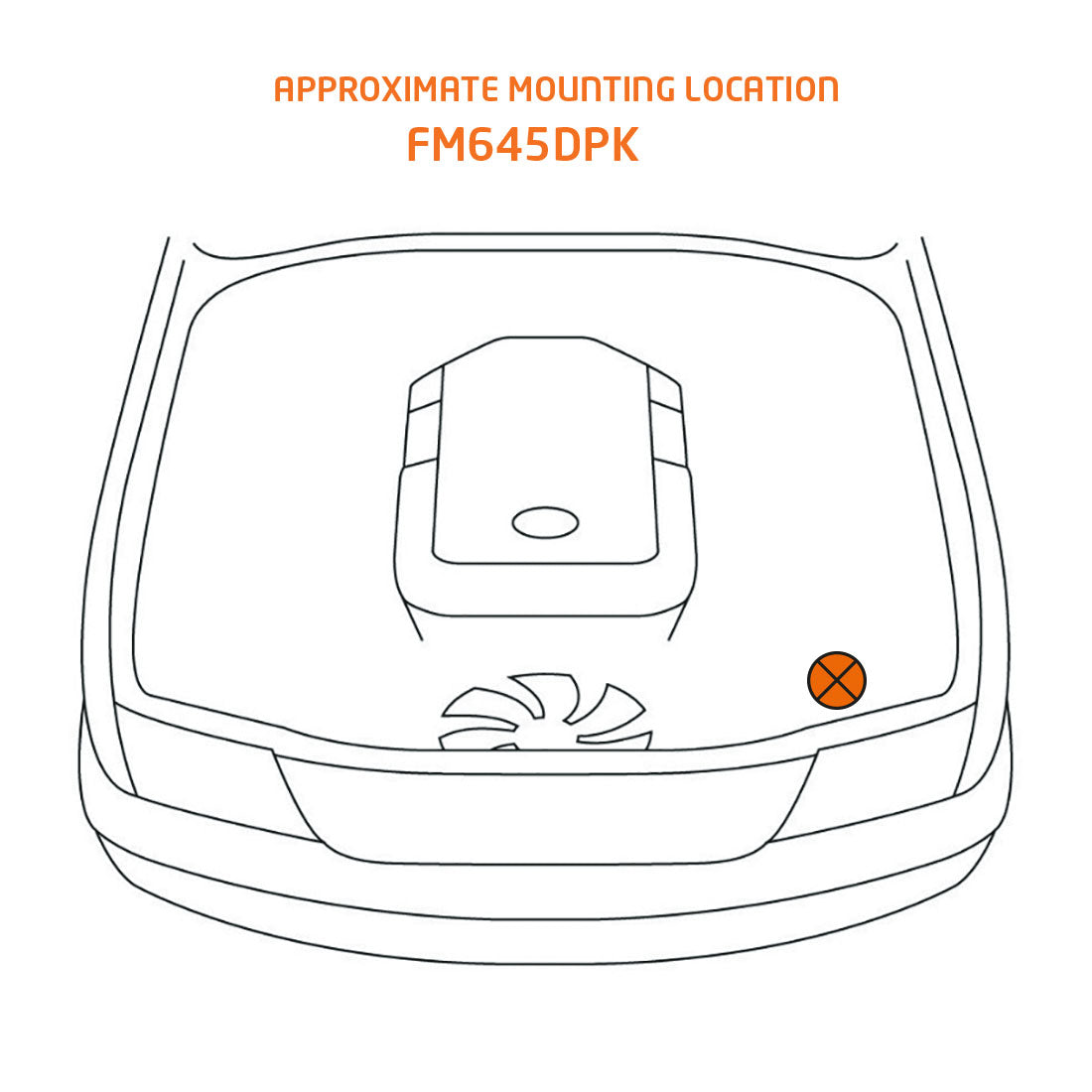
- Mounts in engine bay
- Installed between fuel tank and factory filter
- Vehicle-specific mounting bracket for secure fitment
- All fuel lines and fittings included
- Clear drainage bowl positioned for easy access
- No cutting or fabrication required
Important: Detailed installation guide included. Professional installation recommended if not experienced with fuel system work. Proper installation is critical for safety and performance.
Servicing & Maintenance
Maintenance Schedule:
- Check clear drainage bowl weekly or before long trips
- Drain water as needed (takes seconds—just open the drain valve)
- Replace pre-filter element every 20,000–30,000 km (or as needed based on fuel quality)
- Inspect fuel lines during regular services
- More frequent servicing required if using questionable fuel sources
💡 Pro Tip: The D-MAX/MU-X/BT-50 Isuzu platform is built for serious work and play. The clear drainage bowl makes monitoring easy—you can see exactly what the pre-filter is catching. Check it regularly, especially after fueling at unfamiliar stations or in remote areas. If you see water or sediment, drain it immediately. This simple 30-second check can save you thousands in injector repairs and keep your 4JJ3 running strong for hundreds of thousands of kilometers.
Common Questions
Q: Will this void my Isuzu or Mazda warranty?
A: No. Aftermarket fuel filtration devices don't void warranty under Australian Consumer Law. This kit protects your engine without interfering with factory components.
Q: Does one kit really fit D-MAX, MU-X, AND BT-50?
A: Yes! From 2020/2021, these three vehicles share the same Isuzu platform and 4JJ3 engine. The D-MAX is the ute, the MU-X is the wagon/SUV version, and the BT-50 switched from Ford Ranger platform to Isuzu D-MAX platform. They all use the same fuel system, so one pre-filter kit covers all three.
Q: What's the story with the BT-50 platform change?
A: From 2011-2020, the Mazda BT-50 was based on the Ford Ranger platform and used Ford engines. In 2020/2021, Mazda switched the BT-50 to the Isuzu D-MAX platform, gaining the Isuzu 4JJ3 engine. This means the current BT-50 is essentially a rebadged Isuzu D-MAX with Mazda styling and features. The older Ford-based BT-50 requires different pre-filter kits.
Q: Which BT-50 do I have—Ford or Isuzu?
A: If your BT-50 is 2011-2020, it's Ford-based (Ranger platform) and does NOT use this kit. If your BT-50 is 2021+, it's Isuzu-based (D-MAX platform) with the 4JJ3 engine and DOES use this kit (FM645DPK). Check your build date or engine code if unsure.
Q: What is the 4JJ3TCX engine?
A: The 4JJ3TCX is Isuzu's modern 3.0L four-cylinder common rail turbo diesel. The "TCX" designation indicates the specific variant. It's a proven engine known for durability and torque when properly maintained. It powers the D-MAX, MU-X, and current-generation BT-50 across the Isuzu platform.
Q: Why do I need a pre-filter if I already have a factory filter?
A: The factory filter is designed for fine filtration, but it has limited capacity for bulk contamination. A pre-filter handles the heavy lifting (removing bulk water and particulates), which extends the life of your factory filter and provides much better overall protection. This two-stage approach is far more effective than a single filter alone.
Q: What is two-stage filtration?
A: Two-stage filtration means having two filters in series. Stage 1 (the pre-filter) removes bulk contamination—water, large particles, rust, algae. Stage 2 (your factory filter) then performs fine filtration to protect injectors. This robust two-stage defence is essential for modern common-rail diesels like the 4JJ3.
Q: What is emulsified water?
A: Emulsified water is water that's mixed so finely into fuel that it appears cloudy rather than separating into distinct layers. Modern ULSD (Ultra-Low Sulfur Diesel) is more prone to emulsification. The Fuel Manager is designed to separate this emulsified water that other filters might miss.
Q: How does contaminated fuel damage the 4JJ3?
A: Common rail injectors operate at extremely high pressures with ultra-tight tolerances measured in microns. Water causes corrosion and poor combustion. Particulates score injector tips, damage seals, and clog nozzles. Even microscopic contamination can cause catastrophic failure—and injector replacement is expensive.
Q: What is the no-bypass design?
A: Many filters have a bypass valve that opens if the filter gets clogged, allowing unfiltered fuel to pass through. The Fuel Manager has NO bypass—all fuel must pass through the filter. This ensures contaminated fuel never reaches your injectors, though it means you must maintain the filter properly.
Q: How often do I need to drain the water?
A: Check the clear bowl weekly or before long trips. Drain frequency depends on fuel quality—you might go months without seeing water at city service stations, but see water immediately after fueling at a questionable source. The clear bowl makes checking easy—just look at it.
Q: How do I drain the water?
A: Simply open the drain valve at the bottom of the clear bowl. Water (being heavier than diesel) collects at the bottom. Open the valve, let the water drain into a container, close the valve when you see clean diesel. Takes about 30 seconds.
Q: How often do I replace the filter element?
A: Generally every 20,000–30,000 km, but this depends on fuel quality. If you're frequently using farm diesel or fueling in remote areas, you may need to replace it more often. The clear bowl helps you monitor contamination levels.
Q: Does this reduce fuel pressure or flow?
A: No. The Fuel Manager is designed with high-flow characteristics to maintain optimal fuel pressure and flow to your engine. Proper installation and maintenance ensures no performance impact.
Q: Can I install this myself?
A: If you're mechanically competent and comfortable working with fuel systems, yes. Most DIYers complete installation in 2-3 hours. However, proper installation is critical for safety and performance—if you're not experienced with fuel system work, have a qualified mechanic install it.
Q: What happens if I don't drain the water?
A: If water accumulates and isn't drained, it can eventually be drawn into your fuel system, defeating the purpose of the pre-filter. Worse, in cold weather, water in the bowl can freeze. Check and drain regularly—it takes 30 seconds.
Q: Is this suitable for remote area travel?
A: Absolutely essential. Remote area fuel can be significantly more contaminated than city fuel—older tanks, less turnover, more water contamination. The D-MAX, MU-X, and BT-50 are popular remote touring and work vehicles. The clear drainage bowl is especially valuable in remote areas, allowing you to monitor fuel quality and drain contamination before it reaches your injectors.
Q: What about farm diesel or drum fuel?
A: Farm diesel and drum fuel are notorious for contamination—rust from drums, water from condensation, algae growth from long storage. A pre-filter is absolutely essential if you regularly use these fuel sources. These Isuzu-platform vehicles are popular with farmers and tradespeople—protect your workhorse. Check and drain the bowl more frequently with these fuels.
Q: How much do injector repairs cost?
A: Common rail injector failures can be extremely expensive. Individual injectors can cost $500-1,000+ each, and the 4JJ3 has four injectors. Complete fuel system repairs including pump replacement can exceed $10,000 in worst cases. A pre-filter kit is cheap insurance by comparison.
Q: Does this work with biodiesel?
A: The Fuel Manager handles biodiesel blends, but be aware that biodiesel is more prone to algae growth and water contamination. More frequent filter servicing and bowl draining may be required with biodiesel use.
Q: Can I add a catch can later?
A: Yes! Many D-MAX/MU-X/BT-50 owners run both a Fuel Manager pre-filter AND a ProVent catch can for comprehensive protection. The pre-filter protects your fuel system, while the catch can protects your intake system. They're complementary systems.
Q: What if I see a lot of water in the clear bowl?
A: That's the pre-filter doing its job! Drain it immediately and avoid fueling at that location again if possible. If you're consistently seeing water, consider reporting it to the service station—water in fuel is a serious issue that affects all diesel vehicles.
Q: Is this built for Australian conditions?
A: Yes! Direction-Plus™ engineering means this kit is specifically designed for Australian conditions—variable fuel quality, remote area travel, extreme temperatures, and the serious work and touring that D-MAX, MU-X, and BT-50 vehicles are used for. Proven protection for the Isuzu platform family.
Q: What's the difference between a pre-filter and post-filter?
A: A pre-filter (like this Fuel Manager) installs BEFORE your factory filter and handles bulk contamination removal (especially water). A post-filter installs AFTER the factory filter for ultra-fine final filtration. Pre-filters are more important for water separation and general protection. Many people run both for maximum protection.
Payment & Delivery
- 💳 All major cards accepted
- Buy Now, Pay Later: Afterpay • Zip • Humm • Klarna
- ✓ Free Express Shipping Australia-Wide
- ✓ Fast dispatch — most orders ship same or next business day
- ✓ Tracking included with every order
Invest in FM645DPK Today
Ultimate protection and peace of mind for your 4JJ3
Keep your D-MAX, MU-X, or BT-50 running clean and strong
👉 ADD TO CART NOW 👈