

Genuine OEM
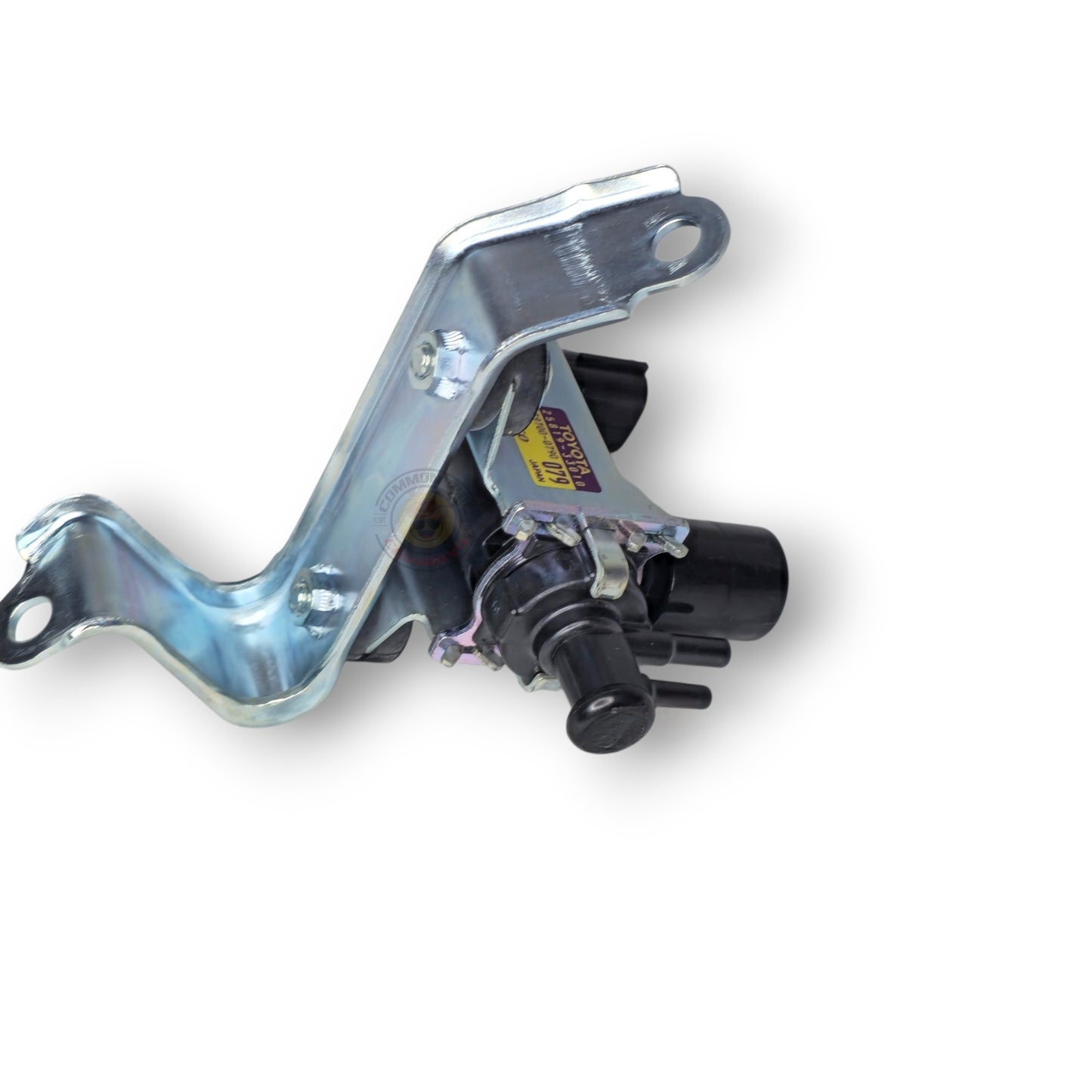
Genuine Boost Control Solenoid Valve 25850-51010 | Landcruiser VDJ79 VDJ76 VDJ78 1VD-FTV
Genuine Boost Control Solenoid Valve 25850-51010 | Landcruiser VDJ79 VDJ76 VDJ78 1VD-FTV
Taxes excluded. Shipping calculated at checkout.
Couldn't load pickup availability
Genuine boost control solenoid valve (E-VRV) for the single turbo 1VD-FTV V8 in the 70 Series Landcruiser. This solenoid meters vacuum from the engine driven vacuum pump to the variable nozzle turbo actuator, and it is a well documented failure point on the VDJ79, VDJ76 and VDJ78: water and dust ingress kills the unit and corrodes the connector, and the result is low boost, gutless response, limp mode and a boost control fault code. It gets blamed on the turbo constantly, but this solenoid is one of the most common real culprits, at a fraction of the cost of a turbo.
| Specifications | |
|---|---|
| Part Number | 25850-51010 (genuine OEM, brand new, made in Japan) |
| Type | Boost control solenoid / electric vacuum regulating valve (E-VRV / VSV) |
| Fitment | Landcruiser 70 Series (VDJ70 family): VDJ76, VDJ78, VDJ79, 4.5L 1VD-FTV V8 single turbo, 2007 onwards |
| Function | Regulates vacuum supply to the variable nozzle turbo actuator for boost control |
| In the Box | 1 x genuine OEM boost control solenoid valve assembly |
Fitment Notes
Fits all single turbo 1VD-FTV 70 Series variants: VDJ76 wagon, VDJ78 Troop Carrier and VDJ79 single and dual cab, 2007 to current. Does not suit the twin turbo VDJ200 (200 Series), which runs electrically actuated turbos and a different boost control arrangement. Unsure? Send us your VIN and we will confirm before you order.
Diagnosing a Failed Boost Control Solenoid
Typical symptoms on the 1VD-FTV are low or erratic boost, sluggish acceleration, limp mode and stored boost control codes: P0046, P0047 or P0048 for the solenoid circuit, P0299 for underboost, or P1251 for overboost. Before condemning the solenoid, unplug the connector and inspect it for corrosion or moisture, since water ingress is the most common root cause and a corroded connector will kill a new solenoid just as fast. Check the vacuum lines to and from the valve for perishing, splits or oil contamination, then check the solenoid coil resistance against factory spec with a multimeter. An open circuit reading confirms a dead solenoid. One important distinction: a P1251 overboost code often means the turbo nozzle vanes are sticking rather than the solenoid failing, so verify free movement of the VNT actuator lever before buying parts. Read our full diagnosis guide on the blog.
Installation Notes
Straightforward swap: unplug the connector, note the vacuum hose routing before removal, and inspect the hoses while you are in there. Perished or split vacuum lines cause identical symptoms, so replace any suspect hose at the same time. Clean or treat a corroded connector before fitting the new unit. Clear fault codes after fitment and confirm boost behaviour on a road test.
Warranty & Returns
Covered under our standard warranty and Australian Consumer Law. Full terms on our Refund, Returns & Warranty Policy page.
Shipping
In stock and ships fast from our Brisbane warehouse. See our Shipping Policy for rates and delivery times.